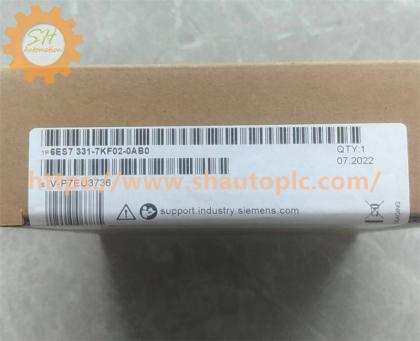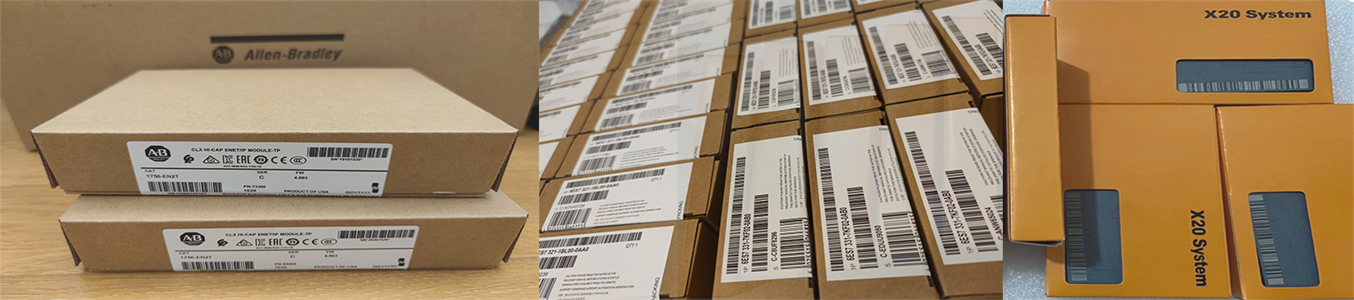
Before selecting a PLC, we must first determine the system solution. Once that is established, we then choose the manufacturer and model. But do you know how to make these selections?
I. Determining the PLC Manufacturer
When selecting a PLC manufacturer, the primary considerations should be the end-user's requirements, the designer's familiarity with and design preferences for different manufacturers' PLCs, compatibility with supporting products, and technical service capabilities. Regarding the reliability of the PLC itself, in principle, products from major international companies should not present reliability issues. Generally, for controlling standalone equipment or relatively simple control systems, Japanese PLC products offer a certain cost-performance advantage. For larger-scale systems requiring high network communication capabilities, open distributed control systems, or remote I/O systems, PLCs manufactured in Europe (Siemens) and America demonstrate superior network communication functionality.
II. Input/Output (I/O) Point Count
The number of input/output points constitutes one of the fundamental parameters of a PLC. Determining the I/O count should be based on the total sum of all I/O points required for the controlled equipment. Under normal circumstances, the PLC's I/O points should incorporate an appropriate margin. Typically, the estimated I/O count is calculated by adding a 10% to 20% expansion margin to the statistically determined input/output point count. When placing an actual order, adjustments to the I/O point count should also be made according to the specific characteristics of the manufacturer's PLC product.
III. Memory Capacity
Memory capacity refers to the size of the hardware storage units provided by the programmable logic controller itself. Program capacity denotes the size of storage units utilised by the user application within the memory; consequently, program capacity is smaller than memory capacity. During the design phase, as the user application programme has not yet been developed, the programme capacity remains unknown and can only be determined after programme debugging. To enable a preliminary estimation of programme capacity during design and selection, the memory capacity is typically used as a substitute. Estimating PLC memory capacity lacks a fixed formula. Numerous literature sources propose different approaches, generally suggesting multiplying the digital I/O point count by 10 to 15, adding 100 times the analogue I/O point count, and using this sum as the total number of words (16 bits per word). An additional 25% margin is then factored in.
Naturally, the above three steps constitute only the foundational selection process. We must further understand how to select control functions, which will be revealed in the next article. We encourage you to follow, like, and save this content for easy retrieval and future reference. Thank you.